





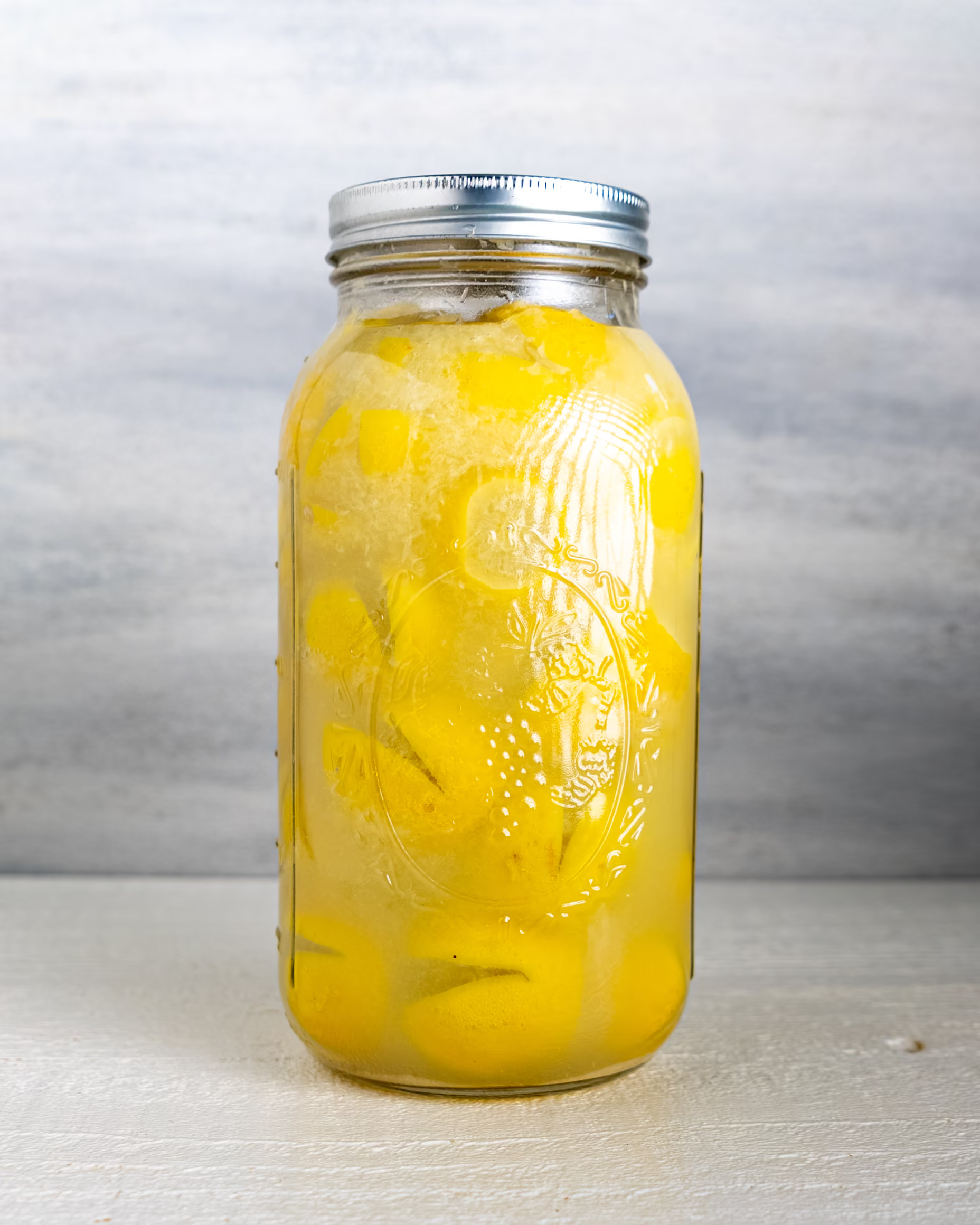
Preserved Lemons
Fermented & Pickled
Ingredients:
- 6–8 organic lemons (about 900 g–1.2 kg), thin-skinned if possible
- 120–180 g (½–¾ cup) kosher salt, non-iodized
- 120–240 ml (½–1 cup) fresh lemon juice (as needed)
Equipments:
Features:
Raw
Grain-Free
Soy-Free
Oil-Free
Refined Sugar-Free
Nut-Free
20 minutes or less
Gluten-Free
Meal Prep Friendly
Nutrition:


.svg)
.svg)
Pack the salt generously and firmly into every cut — under-salting is the most common reason preserved lemons don't ferment properly and can develop mold instead of that classic soft, salty rind.
Instructions:
- Prep the Lemons: Scrub 6–8 lemons clean. Trim the stem end of each. Cut each lemon lengthwise into quarters without cutting all the way through, keeping attached at the base like a flower.
- Salt Generously: Open each lemon and pack 1–2 tbsp (15–30 g) kosher salt inside the cuts. Press firmly closed.
- Pack the Jar: Sprinkle 1 tbsp salt on the bottom of a clean glass jar. Press the salted lemons tightly into the jar, squeezing as you go so they release their juice. Sprinkle extra salt between each layer.
- Top Up with Juice: After packing, the lemons should be fully submerged in juice. If there isn’t enough liquid after 24 hours, top up with freshly squeezed lemon juice until covered.
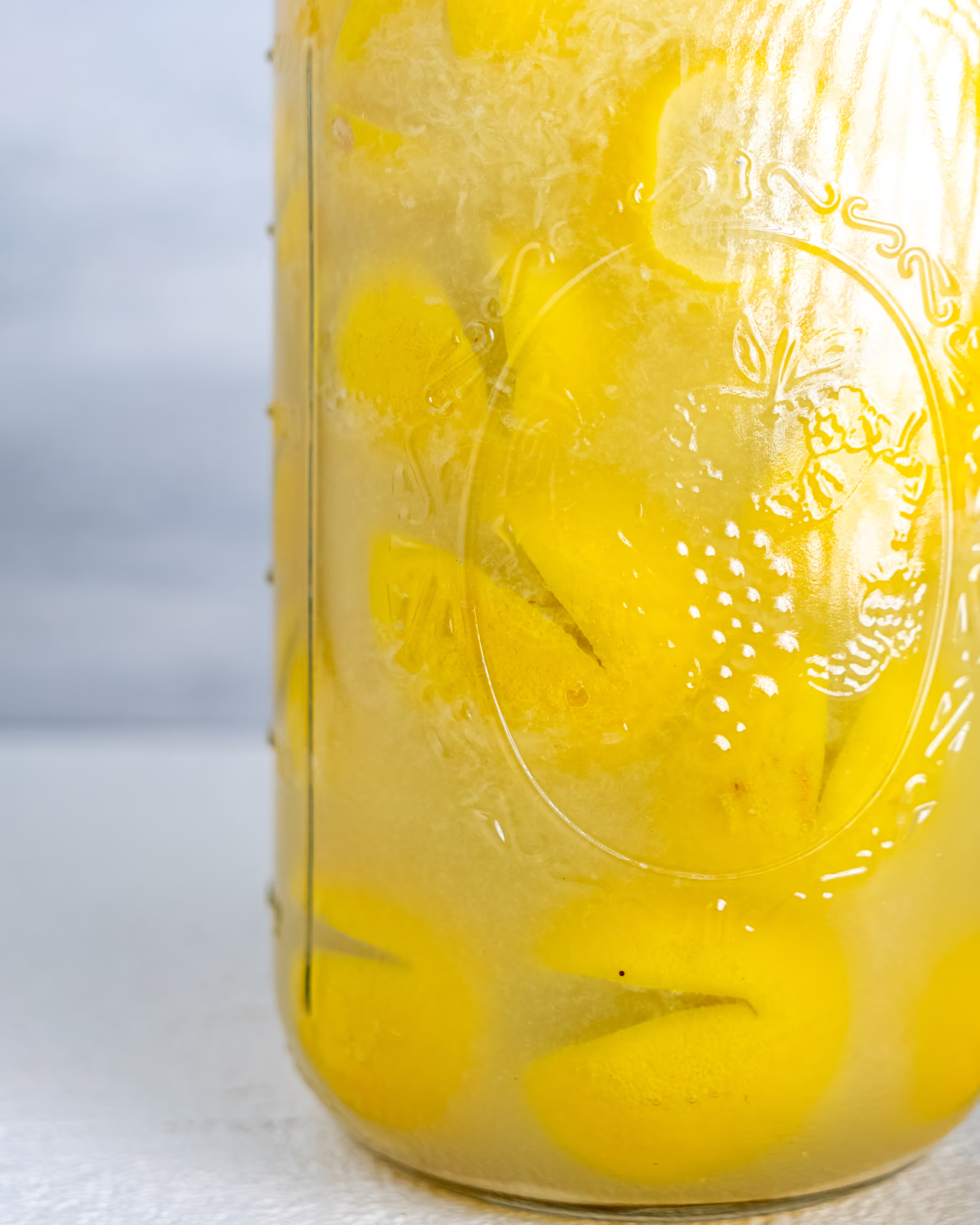
- Ferment: Seal tightly and leave at room temperature for 2–3 weeks. Shake gently every few days. Once the rinds are soft, translucent, and deeply fragrant, transfer to the refrigerator.
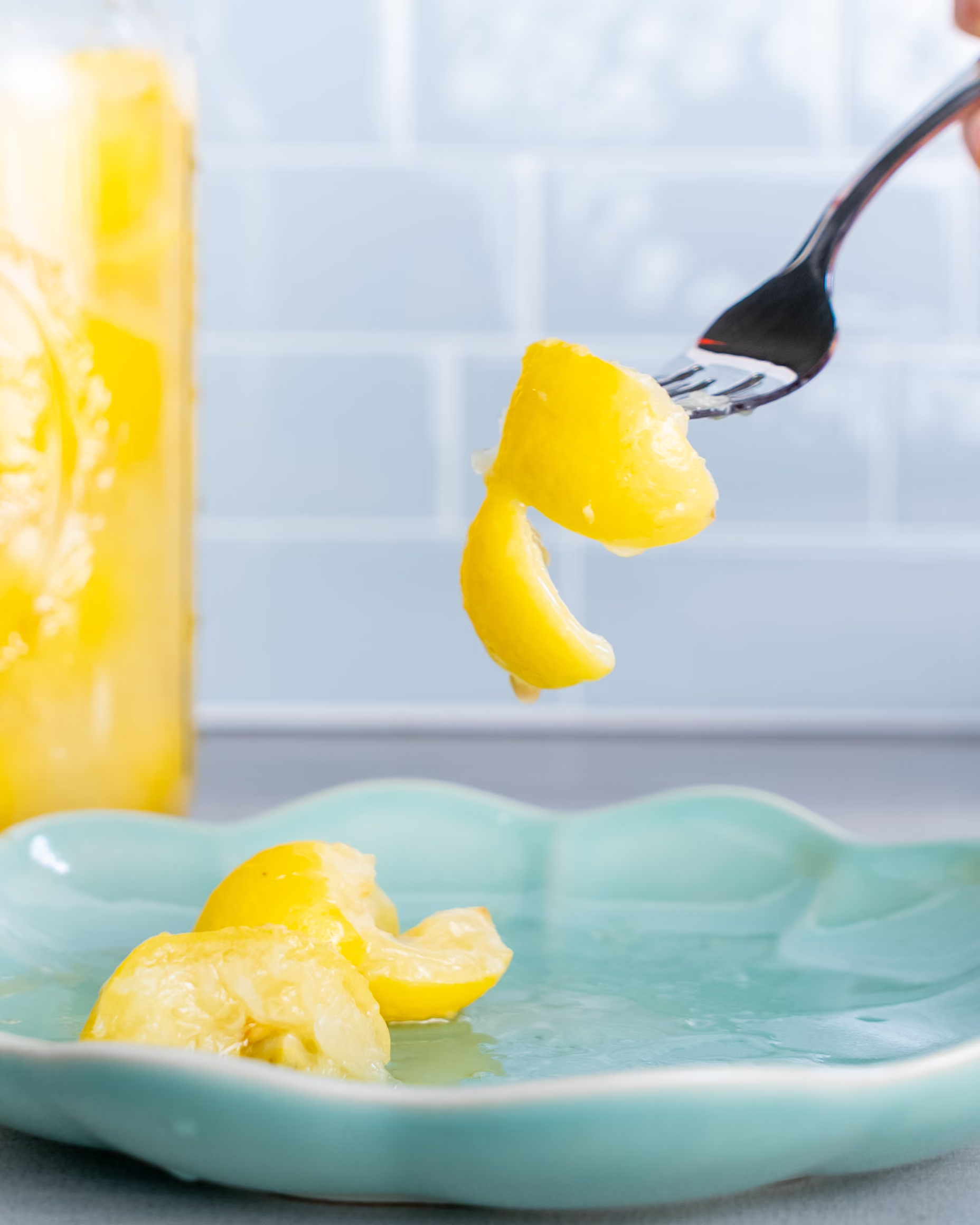
Notes: Only the rind is used in most recipes — rinse it well and scoop out the pulp before adding to dishes. Meyer lemons are ideal for their thin skins and floral flavor, but any organic lemon works. A little white surface yeast (not mold) is normal — simply skim it off; if you see fuzzy mold, discard. The lemons are ready when the rinds are soft and translucent and the brine is thick and deeply salty-citrusy.
Prep in Advance: This recipe requires 2-3 weeks of passive fermentation, so plan ahead. Active prep takes only 20 minutes.
Storage: Once fermented, store in the refrigerator for up to 6 months or longer. The salt acts as a preservative. Always use a clean utensil when scooping out lemons to avoid contamination.
Tips: Use in stews, soups, grain salads, dressings, dips, and roasted vegetables — just a small amount adds a powerful punch of salty citrus flavor. The brine is also delicious — add a splash to vinaigrettes or cocktails.
This recipe leans on a handful of key ingredients to get its flavor and texture right. The –180 g kosher salt draws out moisture and concentrates flavor. The –240 ml fresh lemon juice adds acidity that brightens and balances the dish.
Preserved Lemons
Ingredients:
- 6–8 organic lemons (about 900 g–1.2 kg), thin-skinned if possible
- 120–180 g (½–¾ cup) kosher salt, non-iodized
- 120–240 ml (½–1 cup) fresh lemon juice (as needed)
Equipments:
Features:
Why These Ingredients:
This recipe leans on a handful of key ingredients to get its flavor and texture right. The –180 g kosher salt draws out moisture and concentrates flavor. The –240 ml fresh lemon juice adds acidity that brightens and balances the dish.
Prep:
Pack the salt generously and firmly into every cut — under-salting is the most common reason preserved lemons don't ferment properly and can develop mold instead of that classic soft, salty rind.
Instructions:
- Prep the Lemons: Scrub 6–8 lemons clean. Trim the stem end of each. Cut each lemon lengthwise into quarters without cutting all the way through, keeping attached at the base like a flower.
- Salt Generously: Open each lemon and pack 1–2 tbsp (15–30 g) kosher salt inside the cuts. Press firmly closed.
- Pack the Jar: Sprinkle 1 tbsp salt on the bottom of a clean glass jar. Press the salted lemons tightly into the jar, squeezing as you go so they release their juice. Sprinkle extra salt between each layer.
- Top Up with Juice: After packing, the lemons should be fully submerged in juice. If there isn’t enough liquid after 24 hours, top up with freshly squeezed lemon juice until covered.
- Ferment: Seal tightly and leave at room temperature for 2–3 weeks. Shake gently every few days. Once the rinds are soft, translucent, and deeply fragrant, transfer to the refrigerator.