





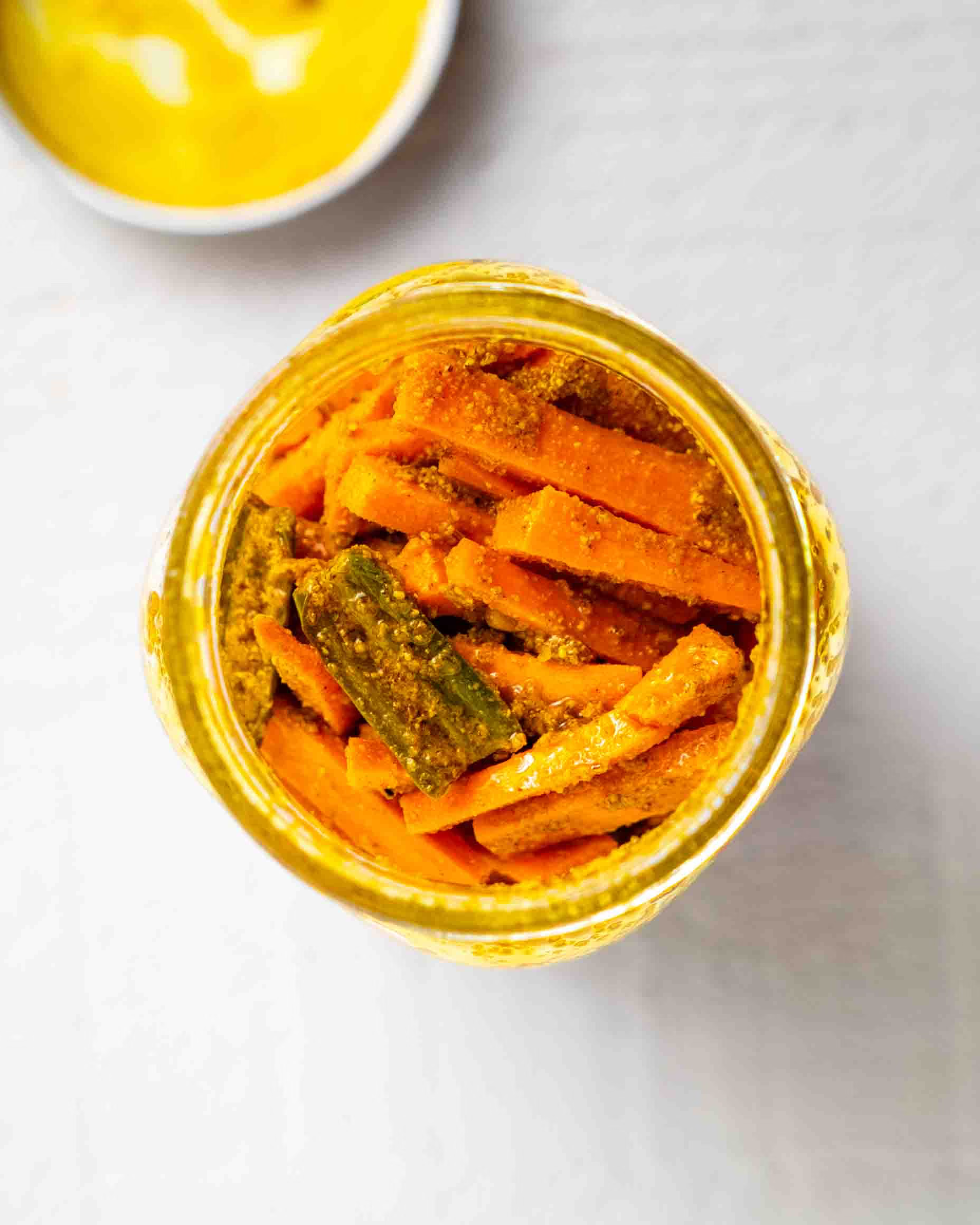
Carrot Pickle (Gajar ka Achar)
Condiments
Fermented & Pickled
Ingredients:
- 500 g (about 4 medium carrots)
- 6 g (1 tsp) fine salt
- 5 g (1 tsp) mustard seeds
- ½ tsp fenugreek seeds (methi dana)
- ½ tsp fennel seeds
- ½ tsp turmeric powder
- 2.5 g (1 tsp) red chili powder
- salt to taste
- 45 ml (3 tbsp) mustard oil
- 30 ml (2 tbsp) fresh lemon juice
- 30 ml (2 tbsp) white vinegar
- 2 green chilies, slit lengthwise (seeds in for heat, removed for mild)
- 30 g (2-inch piece) fresh ginger
- 12 g (4) garlic cloves
Equipments:
Features:
20 minutes or less
Gluten-Free
Meal Prep Friendly
Grain-Free
Soy-Free
Refined Sugar-Free
Nut-Free
Nutrition:


.svg)
.svg)
Carrots: Peel, wash, and pat completely dry. Cut into 5 cm (2-inch) matchsticks about ½ cm (¼ inch) thick.
Chilies: Slit lengthwise. Leave seeds in for heat, remove for mild.
Ginger (optional): Peel and cut into thin matchsticks matching the carrot size.
Garlic (optional): Thinly slice.
Jar: Pour hot water into the mason jar, let sit 1–2 minutes, drain, and let cool completely before filling.
Instructions:
- Prep the carrots: Peel and wash 500 g carrots. Pat completely dry with a clean kitchen towel — any moisture shortens shelf life. Cut into 5 cm (2-inch) matchsticks about ½ cm (¼ inch) thick.
- Salt the carrots: Place carrot matchsticks in a large bowl. Add 1 tsp salt and toss well. Let sit 10 minutes — this draws out excess moisture and seasons the carrots from within. Pat dry again.
- Crush the whole spices: Using a mortar and pestle or spice grinder, coarsely crush 1 tsp mustard seeds, ½ tsp fenugreek seeds, and ½ tsp fennel seeds — crack them, don’t powder them.
- Heat the oil: In a small saucepan, heat 45 ml (3 tbsp) mustard oil over medium-high until it just begins to smoke (about 2 minutes). Remove from heat and let cool 2–3 minutes — heating mustard oil removes its raw pungency. If using neutral oil, skip heating.
- Combine: Pour the warm oil over the carrots. Add the crushed spices, ½ tsp turmeric, and 1 tsp red chili powder. Add 30 ml (2 tbsp) lemon juice and 30 ml (2 tbsp) white vinegar. Add green chilies, ginger, and garlic if using. Toss thoroughly until every piece is coated.
- Taste and adjust: Taste and add more salt, lemon juice, or vinegar as needed. The pickle should be bold — salty, tangy, and spicy.
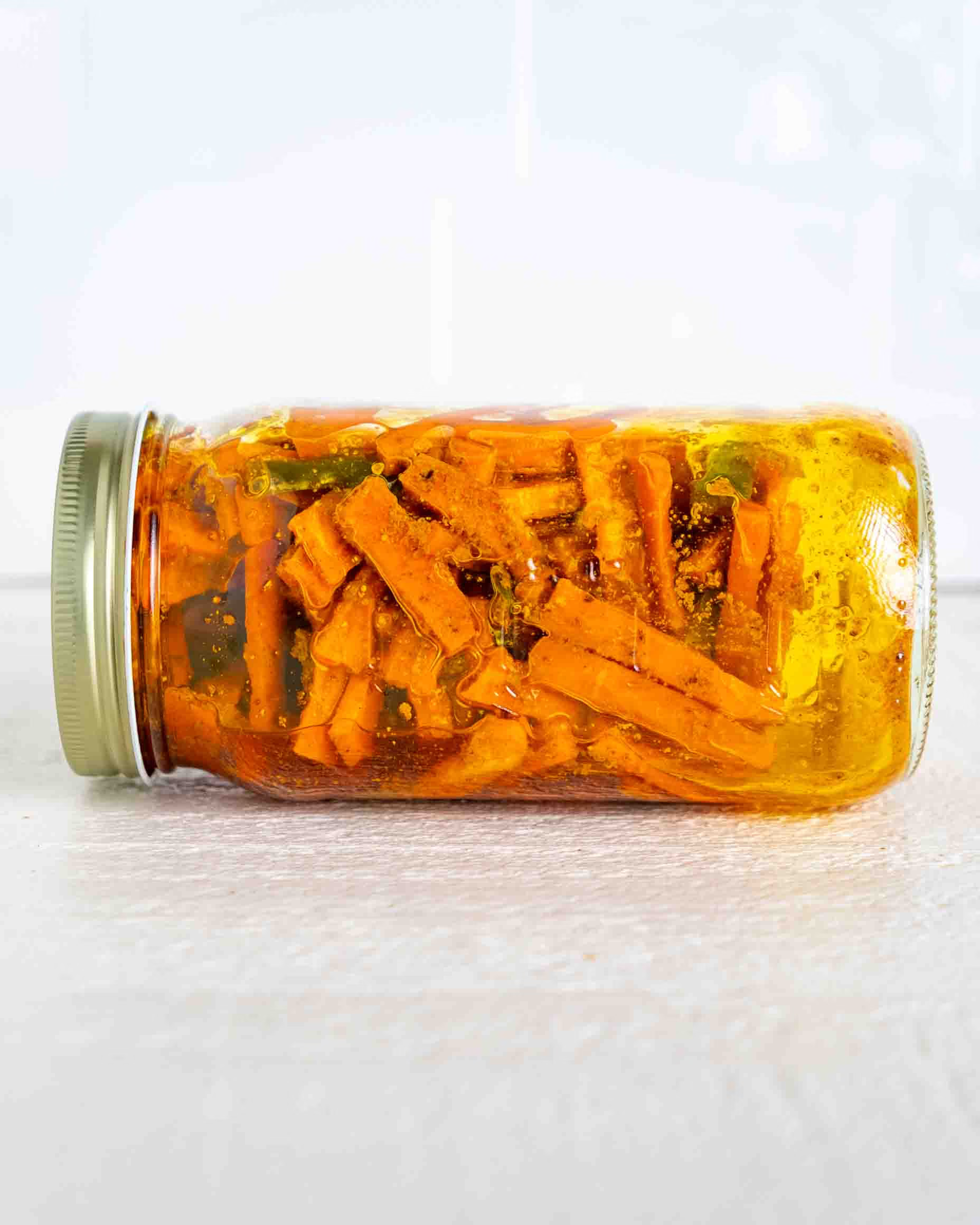
- Rest: Transfer to a clean, dry glass jar. Let sit at room temperature for at least 4 hours before serving. Overnight is best — the flavors deepen significantly. Refrigerate after the first day.
- Serve: Serve alongside dal and rice, parathas, khichdi, or any Indian meal. A small spoonful goes a long way.
Common Mistakes: Don’t skip drying the carrots completely — moisture causes the pickle to go bad quickly. Don’t grind the spices to a powder — coarse crushing gives better texture and flavor.
Garlic & Ginger: Both optional but add great depth — ginger adds warmth and freshness, garlic adds savoriness. Add one, both, or neither.
Mustard Oil: Traditional and best for authentic flavor. Heat until smoking to mellow its sharpness, then cool before adding. If unavailable, use a neutral oil — milder but still delicious.
Prep Ahead: Make up to 3 days ahead — it actually improves significantly after 24–48 hours as the spices infuse.
Storage: Refrigerate in an airtight glass jar for up to 6–8 months. Always use a clean, dry spoon — never wet.
Sweeter Version: Add 1 tsp jaggery or brown sugar for a sweet-sour variation popular in Gujarat.
Vinegar Swap: Replace white vinegar with apple cider vinegar for a slightly fruitier tang.
Carrots are the hero — firm enough to hold up to the acid and spices without going soft, and sweet enough to balance the heat and tang. Use fresh, firm carrots — soft or older carrots will turn mushy after a day.
Mustard oil is the traditional choice and gives the pickle its characteristic pungency and depth. Heating it to smoking point removes the harsh raw flavor and brings out a nutty, rounded warmth. It’s irreplaceable for the most authentic result — neutral oil works but the flavor will be noticeably milder.
Mustard seeds form the flavor backbone of the pickle alongside the oil. Coarsely crushed rather than ground, they add bursts of sharp, nutty heat in each bite.
Fenugreek seeds (methi dana) add a slightly bitter, earthy note that is essential to classic Indian pickle flavor. Use sparingly — too much becomes unpleasantly bitter.
Fennel seeds add a subtle sweetness and anise-like fragrance that lifts the overall spice blend and balances the heat.
Turmeric adds warm color and mild earthiness, and has natural preservative properties that help extend the pickle’s shelf life.
Red chili powder provides the heat. Kashmiri chili powder gives a beautiful deep red color with mild heat — ideal for a visually striking, moderately spiced pickle. Cayenne gives more heat with less color.
Lemon juice provides bright, fresh acidity that wakes up all the spices. It works alongside vinegar but has a fresher, more complex flavor than vinegar alone.
White vinegar is the primary preservative — it lowers the pH enough to keep the pickle shelf-stable for months. It also sharpens and deepens the tang over time as the pickle rests.
Carrot Pickle (Gajar ka Achar)
Ingredients:
- 500 g (about 4 medium carrots)
- 6 g (1 tsp) fine salt
- 5 g (1 tsp) mustard seeds
- ½ tsp fenugreek seeds (methi dana)
- ½ tsp fennel seeds
- ½ tsp turmeric powder
- 2.5 g (1 tsp) red chili powder
- salt to taste
- 45 ml (3 tbsp) mustard oil
- 30 ml (2 tbsp) fresh lemon juice
- 30 ml (2 tbsp) white vinegar
- 2 green chilies, slit lengthwise (seeds in for heat, removed for mild)
- 30 g (2-inch piece) fresh ginger
- 12 g (4) garlic cloves
Equipments:
Features:
Why These Ingredients:
Carrots are the hero — firm enough to hold up to the acid and spices without going soft, and sweet enough to balance the heat and tang. Use fresh, firm carrots — soft or older carrots will turn mushy after a day.
Mustard oil is the traditional choice and gives the pickle its characteristic pungency and depth. Heating it to smoking point removes the harsh raw flavor and brings out a nutty, rounded warmth. It’s irreplaceable for the most authentic result — neutral oil works but the flavor will be noticeably milder.
Mustard seeds form the flavor backbone of the pickle alongside the oil. Coarsely crushed rather than ground, they add bursts of sharp, nutty heat in each bite.
Fenugreek seeds (methi dana) add a slightly bitter, earthy note that is essential to classic Indian pickle flavor. Use sparingly — too much becomes unpleasantly bitter.
Fennel seeds add a subtle sweetness and anise-like fragrance that lifts the overall spice blend and balances the heat.
Turmeric adds warm color and mild earthiness, and has natural preservative properties that help extend the pickle’s shelf life.
Red chili powder provides the heat. Kashmiri chili powder gives a beautiful deep red color with mild heat — ideal for a visually striking, moderately spiced pickle. Cayenne gives more heat with less color.
Lemon juice provides bright, fresh acidity that wakes up all the spices. It works alongside vinegar but has a fresher, more complex flavor than vinegar alone.
White vinegar is the primary preservative — it lowers the pH enough to keep the pickle shelf-stable for months. It also sharpens and deepens the tang over time as the pickle rests.
Prep:
Carrots: Peel, wash, and pat completely dry. Cut into 5 cm (2-inch) matchsticks about ½ cm (¼ inch) thick.
Chilies: Slit lengthwise. Leave seeds in for heat, remove for mild.
Ginger (optional): Peel and cut into thin matchsticks matching the carrot size.
Garlic (optional): Thinly slice.
Jar: Pour hot water into the mason jar, let sit 1–2 minutes, drain, and let cool completely before filling.
Instructions:
- Prep the carrots: Peel and wash 500 g carrots. Pat completely dry with a clean kitchen towel — any moisture shortens shelf life. Cut into 5 cm (2-inch) matchsticks about ½ cm (¼ inch) thick.
- Salt the carrots: Place carrot matchsticks in a large bowl. Add 1 tsp salt and toss well. Let sit 10 minutes — this draws out excess moisture and seasons the carrots from within. Pat dry again.
- Crush the whole spices: Using a mortar and pestle or spice grinder, coarsely crush 1 tsp mustard seeds, ½ tsp fenugreek seeds, and ½ tsp fennel seeds — crack them, don’t powder them.
- Heat the oil: In a small saucepan, heat 45 ml (3 tbsp) mustard oil over medium-high until it just begins to smoke (about 2 minutes). Remove from heat and let cool 2–3 minutes — heating mustard oil removes its raw pungency. If using neutral oil, skip heating.
- Combine: Pour the warm oil over the carrots. Add the crushed spices, ½ tsp turmeric, and 1 tsp red chili powder. Add 30 ml (2 tbsp) lemon juice and 30 ml (2 tbsp) white vinegar. Add green chilies, ginger, and garlic if using. Toss thoroughly until every piece is coated.
- Taste and adjust: Taste and add more salt, lemon juice, or vinegar as needed. The pickle should be bold — salty, tangy, and spicy.
- Rest: Transfer to a clean, dry glass jar. Let sit at room temperature for at least 4 hours before serving. Overnight is best — the flavors deepen significantly. Refrigerate after the first day.
- Serve: Serve alongside dal and rice, parathas, khichdi, or any Indian meal. A small spoonful goes a long way.