






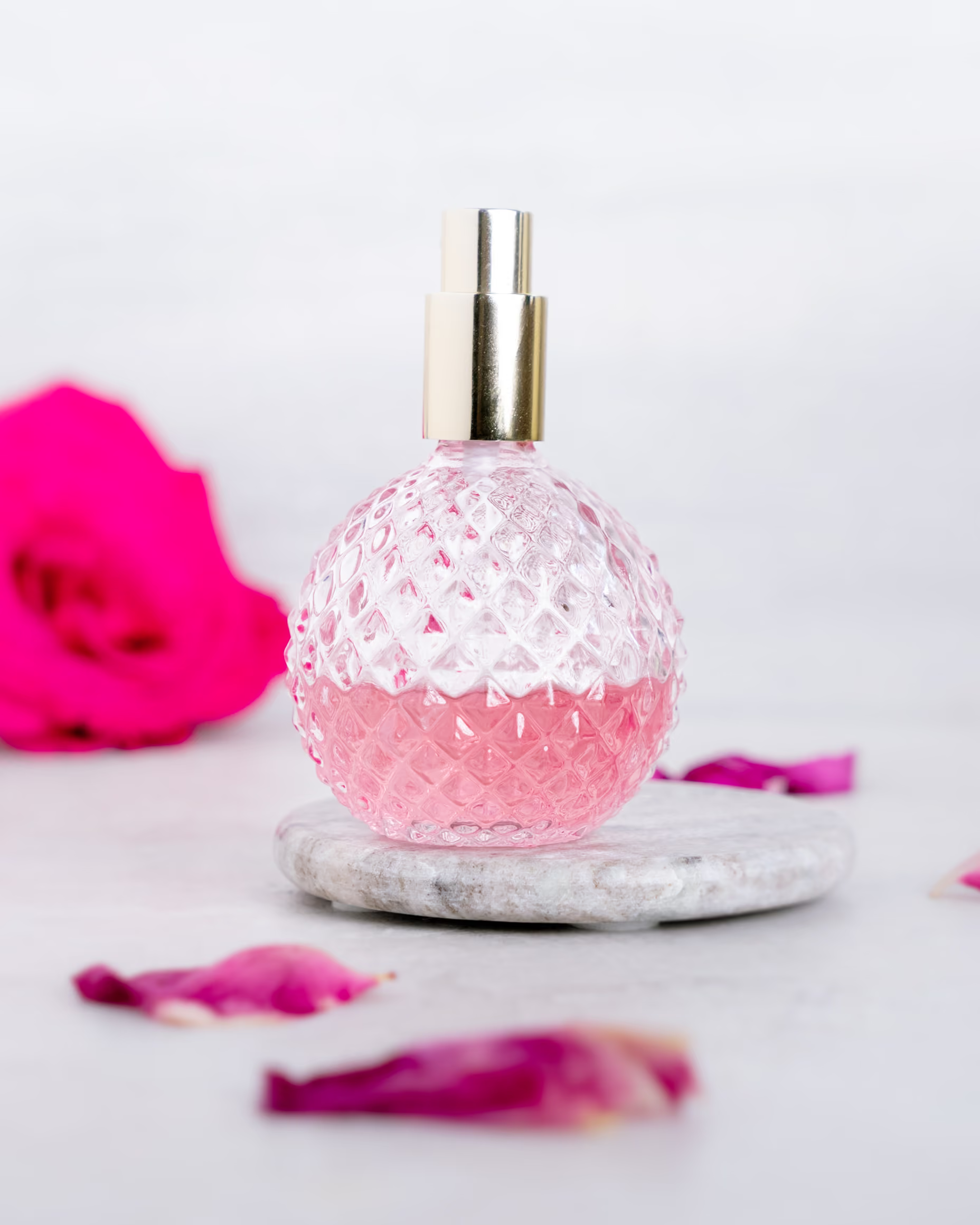
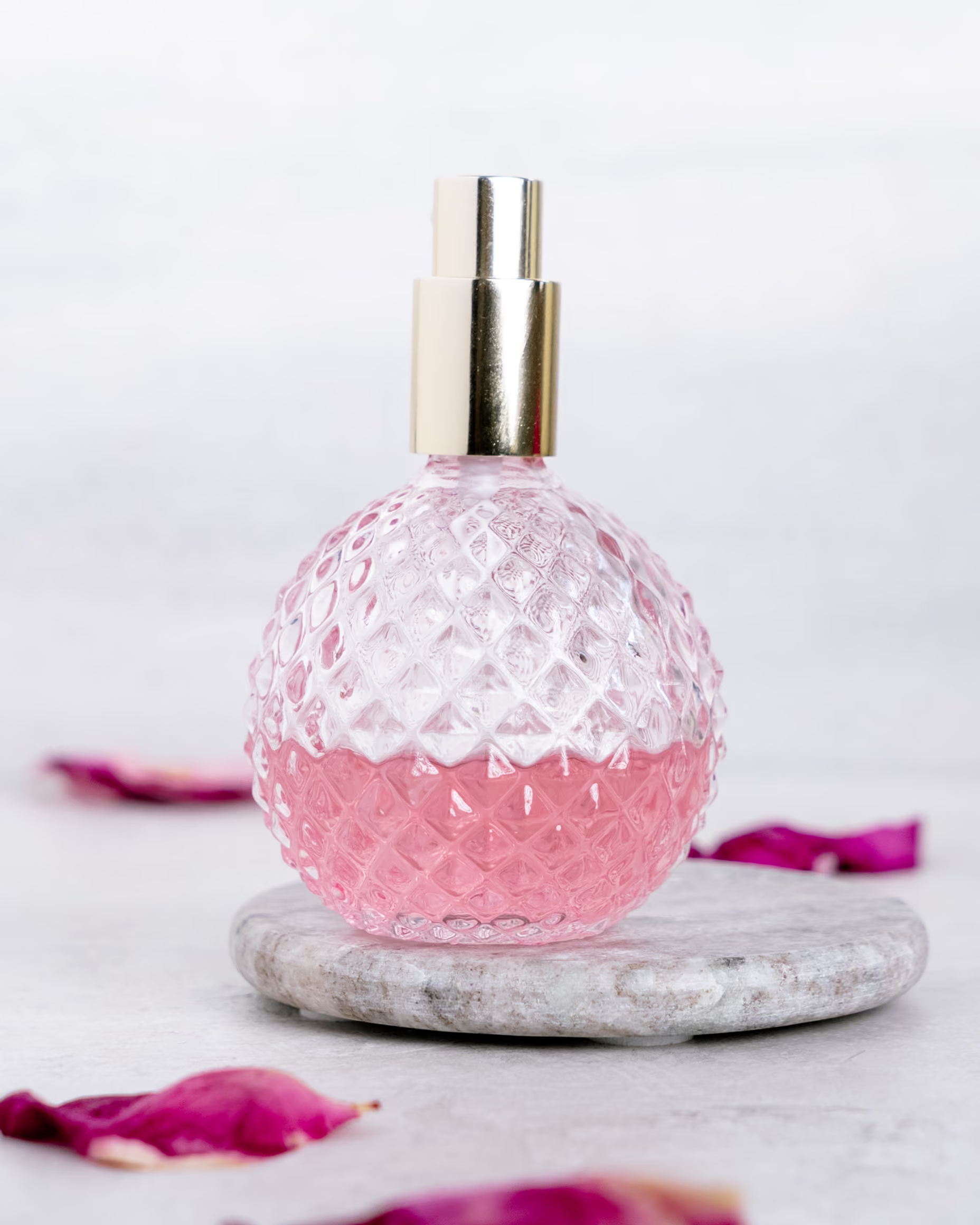
How to Make Rose Water
How-tos
Ingredients:
- 60 g (2 cups) fresh fragrant rose petals
- 480 ml (2 cups) distilled water
- 480 ml (2 cups) ice
Equipments:
Features:
Gluten-Free
Grain-Free
Soy-Free
Oil-Free
Refined Sugar-Free
Nut-Free
Nutrition:


.svg)
.svg)
Use only fragrant, unsprayed rose petals — pesticide-treated or unscented ornamental roses won't infuse any real rose flavor into the water, no matter how long you simmer them.
Instructions:
Method 1 — Simmer method (simple, good for everyday use)
- Prepare the rose petals: Use only fragrant, unsprayed rose petals. Rinse 60 g (2 cups) fresh rose petals (or 30 g / 1 cup dried) under cold water and gently pat dry.
- Simmer the petals: Place the rose petals in a saucepan and pour 480 ml (2 cups) distilled water over them. Bring to a gentle simmer over low heat. Do not boil. Cover and simmer on the lowest heat for 20 minutes until the petals have lost most of their color.
- Cool and strain: Remove from heat and allow to cool completely. Pour through a fine-mesh strainer into a sterilized glass jar, pressing the petals gently to extract all the liquid.
- Store: Seal tightly and label with the date.
Method 2 — Distillation method (more fragrant, more concentrated — traditional)
- Set up the still: Place 60 g (2 cups) fresh rose petals in a large wide pot. Pour 480 ml (2 cups) distilled water over the petals. Place a heatproof bowl in the center of the pot, sitting directly on top of the petals — this bowl will collect the distilled rose water. The rim of the bowl should sit above the water line.
- Create the cold lid: Place the pot lid upside down on top of the pot. Fill the inverted lid generously with ice — at least 240 ml (1 cup) to start. The ice is what makes this method work: steam rises from the simmering petals, hits the ice-cold lid, condenses into droplets, and drips down into the collection bowl below.
- Simmer gently: Heat the pot over low heat and maintain a very gentle simmer for 20–30 minutes. Do not let it boil hard — a hard boil creates too much steam too quickly and drives off the delicate floral compounds. Keep the heat low and steady.
- Replenish the ice: Check the lid every 8–10 minutes. As the ice melts, pour off the water and add fresh ice to keep the lid cold. Cold condensation surface = more rose water collected.
- Collect the rose water: After 20–30 minutes the petals will have lost most of their color. Carefully remove the lid and lift the collection bowl out of the pot using tongs or oven mitts — it will be hot. The liquid inside the bowl is your distilled rose water.
- Strain and store: Pour through a fine-mesh strainer into a sterilized glass jar if any petal pieces are present. Seal tightly and label with the date.
Common Mistakes: Boiling instead of simmering — a hard boil destroys the delicate floral compounds responsible for fragrance and flavor; always keep it at the lowest possible simmer. Forgetting to replenish the ice (distillation method) — once the ice melts the lid warms up, condensation stops, and no more rose water collects; check every 8-10 minutes. Not sterilizing the jar — rose water has no preservatives, and a non-sterilized jar introduces bacteria and will cause spoilage within days. Skipping the collection bowl setup (distillation method) — the bowl must sit above the waterline, or the rose water will be diluted and less fragrant. Using florist roses — these are almost always sprayed with pesticides; only use food-grade, unsprayed roses. Using roses with little fragrance — the scent of the rose directly determines the flavor and aroma, so the more fragrant the petal, the better the rose water.
Notes: Old garden roses, damask roses (Rosa damascena), and centifolia roses produce the most fragrant rose water, though any deeply fragrant variety will work. Collect petals in the morning, since rose fragrance is at its peak before the heat of the day dissipates the essential oils. The distillation method produces more concentrated, purer rose water because only the steam is captured, while the simmer method is simpler but more diluted. A little goes a long way — start with ½ tsp in recipes and adjust to taste, since rose water is potent.
Prep in Advance: Rose petals can be collected and stored in a sealed bag in the refrigerator for up to 2 days before making rose water. For longer storage, dry the petals completely and store in an airtight container. Sterilize your jars in advance by placing clean glass jars in a 160°C (325°F) oven for 10 minutes and letting them cool before filling.
Storage: Refrigerator — store in a sealed sterilized glass jar for up to 2 weeks; discard if the smell or appearance changes. Freezer — freeze in ice cube trays, then transfer to a sealed freezer bag for up to 3 months; each cube is approximately 30 ml (2 tbsp), perfect for portioning into drinks and recipes.
Tips: For a stronger rose water using the simmer method, repeat the process using the strained rose water in place of fresh distilled water with a new batch of petals. For the distillation method, keep a bowl of ice nearby so replenishing the lid is quick and you don't lose condensation time. Use a light-colored pot so you can easily see when the petals lose their color, which is your visual cue that extraction is complete.
Swaps: Dried rose petals — use half the amount (30 g / 1 cup) in place of fresh, rehydrating briefly in the distilled water before starting. Rose hip petals can be used for a slightly earthier, more tart rose water — not traditional but works well in savory applications.
This recipe leans on a handful of key ingredients to get its flavor and texture right. The ice chills the drink and keeps the texture light.
How to Make Rose Water
Ingredients:
- 60 g (2 cups) fresh fragrant rose petals
- 480 ml (2 cups) distilled water
- 480 ml (2 cups) ice
Equipments:
Features:
Why These Ingredients:
This recipe leans on a handful of key ingredients to get its flavor and texture right. The ice chills the drink and keeps the texture light.
Prep:
Use only fragrant, unsprayed rose petals — pesticide-treated or unscented ornamental roses won't infuse any real rose flavor into the water, no matter how long you simmer them.
Instructions:
Method 1 — Simmer method (simple, good for everyday use)
- Prepare the rose petals: Use only fragrant, unsprayed rose petals. Rinse 60 g (2 cups) fresh rose petals (or 30 g / 1 cup dried) under cold water and gently pat dry.
- Simmer the petals: Place the rose petals in a saucepan and pour 480 ml (2 cups) distilled water over them. Bring to a gentle simmer over low heat. Do not boil. Cover and simmer on the lowest heat for 20 minutes until the petals have lost most of their color.
- Cool and strain: Remove from heat and allow to cool completely. Pour through a fine-mesh strainer into a sterilized glass jar, pressing the petals gently to extract all the liquid.
- Store: Seal tightly and label with the date.
Method 2 — Distillation method (more fragrant, more concentrated — traditional)
- Set up the still: Place 60 g (2 cups) fresh rose petals in a large wide pot. Pour 480 ml (2 cups) distilled water over the petals. Place a heatproof bowl in the center of the pot, sitting directly on top of the petals — this bowl will collect the distilled rose water. The rim of the bowl should sit above the water line.
- Create the cold lid: Place the pot lid upside down on top of the pot. Fill the inverted lid generously with ice — at least 240 ml (1 cup) to start. The ice is what makes this method work: steam rises from the simmering petals, hits the ice-cold lid, condenses into droplets, and drips down into the collection bowl below.
- Simmer gently: Heat the pot over low heat and maintain a very gentle simmer for 20–30 minutes. Do not let it boil hard — a hard boil creates too much steam too quickly and drives off the delicate floral compounds. Keep the heat low and steady.
- Replenish the ice: Check the lid every 8–10 minutes. As the ice melts, pour off the water and add fresh ice to keep the lid cold. Cold condensation surface = more rose water collected.
- Collect the rose water: After 20–30 minutes the petals will have lost most of their color. Carefully remove the lid and lift the collection bowl out of the pot using tongs or oven mitts — it will be hot. The liquid inside the bowl is your distilled rose water.
- Strain and store: Pour through a fine-mesh strainer into a sterilized glass jar if any petal pieces are present. Seal tightly and label with the date.