





How to Feed Your Sourdough Starter
Breads
How-tos
Ingredients:
- 100–500 g sourdough starter
- 100–500 g (about ¾–3¾ cups) flour
- 100–500 g (about ½–2½ cups) water
Equipments:
Features:
Raw
Grain-Free
Soy-Free
Oil-Free
Refined Sugar-Free
Nut-Free
20 minutes or less
Gluten-Free
Nutrition:


.svg)
.svg)
Make sure your starter has actually doubled in size within 4-6 hours of its last feeding before feeding it again — feeding a sluggish starter on a fixed schedule rather than by how it's behaving is a common reason starters weaken over time.
Instructions:
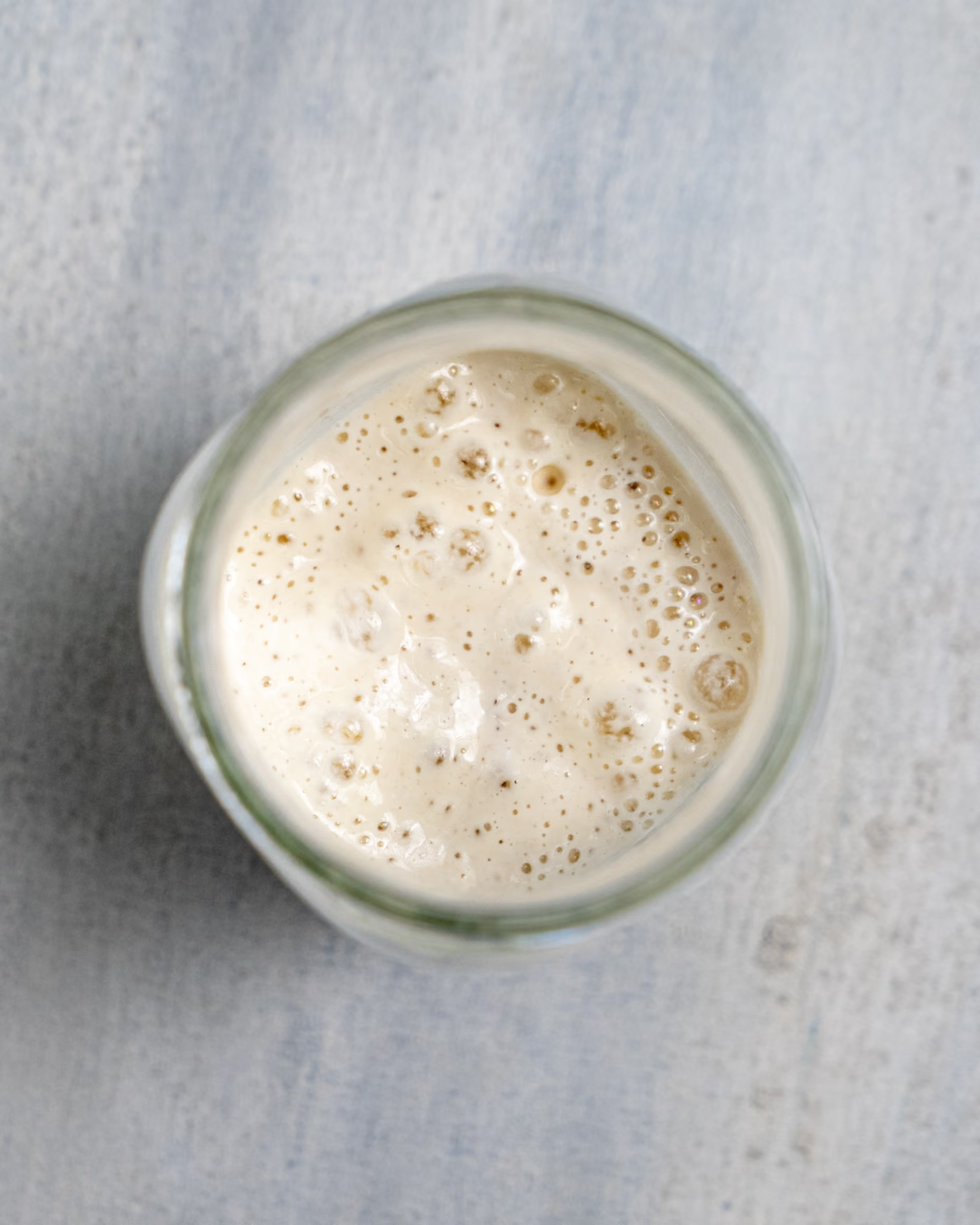
- Prep Your Starter: Ensure your starter is active and bubbly. It should have doubled in size within 4–6 hours of its last feeding.
- Measure the Flour: Using a kitchen scale, measure 100–500 g flour into a clean jar.
- Measure the Water: Add an equal weight of room temperature water (100–500 g) to the flour.
- Add the Starter: Add your existing starter (100–500 g) to the flour and water. Stir vigorously until fully combined and no dry flour remains.
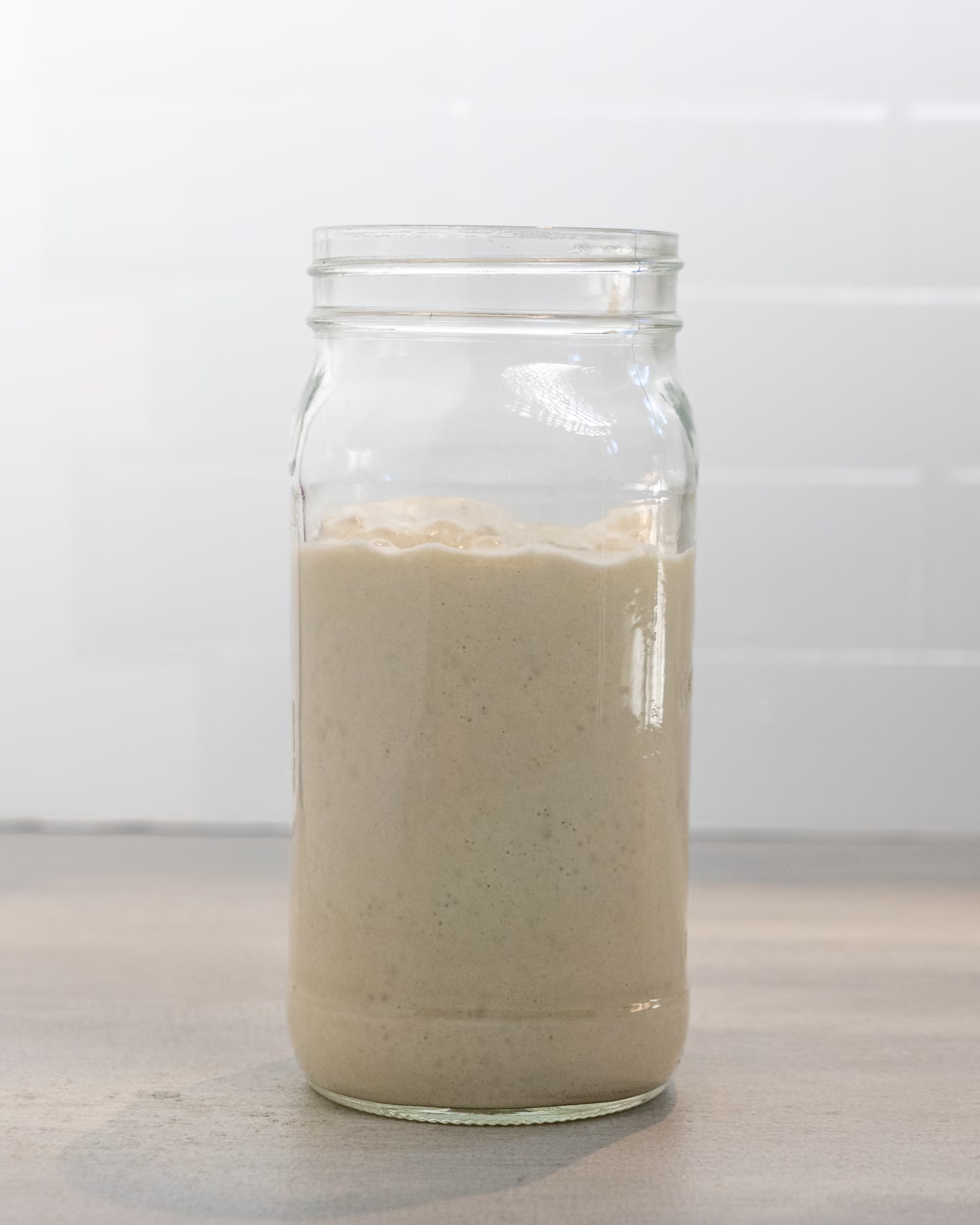
- Mark and Cover: Mark the level on the outside of the jar. Cover loosely and leave at room temperature.
- Monitor: Over the next 4–6 hours, the starter should bubble, rise noticeably, and dome. When it has doubled and is still domed (not collapsed), it is at peak activity and ready to use.
Notes: A 1:1:1 ratio of starter : flour : water is the standard feeding ratio. For a milder flavor and slower rise, use a 1:2:2 or 1:5:5 ratio. Whole wheat or rye flour accelerates fermentation and boosts activity — great for sluggish starters.
Storage: Once active, store in the fridge and feed 1–2 times per week. When ready to bake, take out, feed once or twice, and use when bubbly and doubled.
Tips: Use filtered or boiled and cooled water — chlorine in tap water slows fermentation. Don’t throw away discard — use it in crackers, pancakes, flatbreads, or muffins.
A few ingredients do most of the work in this recipe. The –500 g flour provides structure and body to the finished dish.
How to Feed Your Sourdough Starter
Ingredients:
- 100–500 g sourdough starter
- 100–500 g (about ¾–3¾ cups) flour
- 100–500 g (about ½–2½ cups) water
Equipments:
Features:
Why These Ingredients:
A few ingredients do most of the work in this recipe. The –500 g flour provides structure and body to the finished dish.
Prep:
Make sure your starter has actually doubled in size within 4-6 hours of its last feeding before feeding it again — feeding a sluggish starter on a fixed schedule rather than by how it's behaving is a common reason starters weaken over time.
Instructions:
- Prep Your Starter: Ensure your starter is active and bubbly. It should have doubled in size within 4–6 hours of its last feeding.
- Measure the Flour: Using a kitchen scale, measure 100–500 g flour into a clean jar.
- Measure the Water: Add an equal weight of room temperature water (100–500 g) to the flour.
- Add the Starter: Add your existing starter (100–500 g) to the flour and water. Stir vigorously until fully combined and no dry flour remains.
- Mark and Cover: Mark the level on the outside of the jar. Cover loosely and leave at room temperature.
- Monitor: Over the next 4–6 hours, the starter should bubble, rise noticeably, and dome. When it has doubled and is still domed (not collapsed), it is at peak activity and ready to use.