





How to Ferment Anything
Fermented & Pickled
How-tos
Ingredients:
- any fresh vegetable or firm fruit, washed
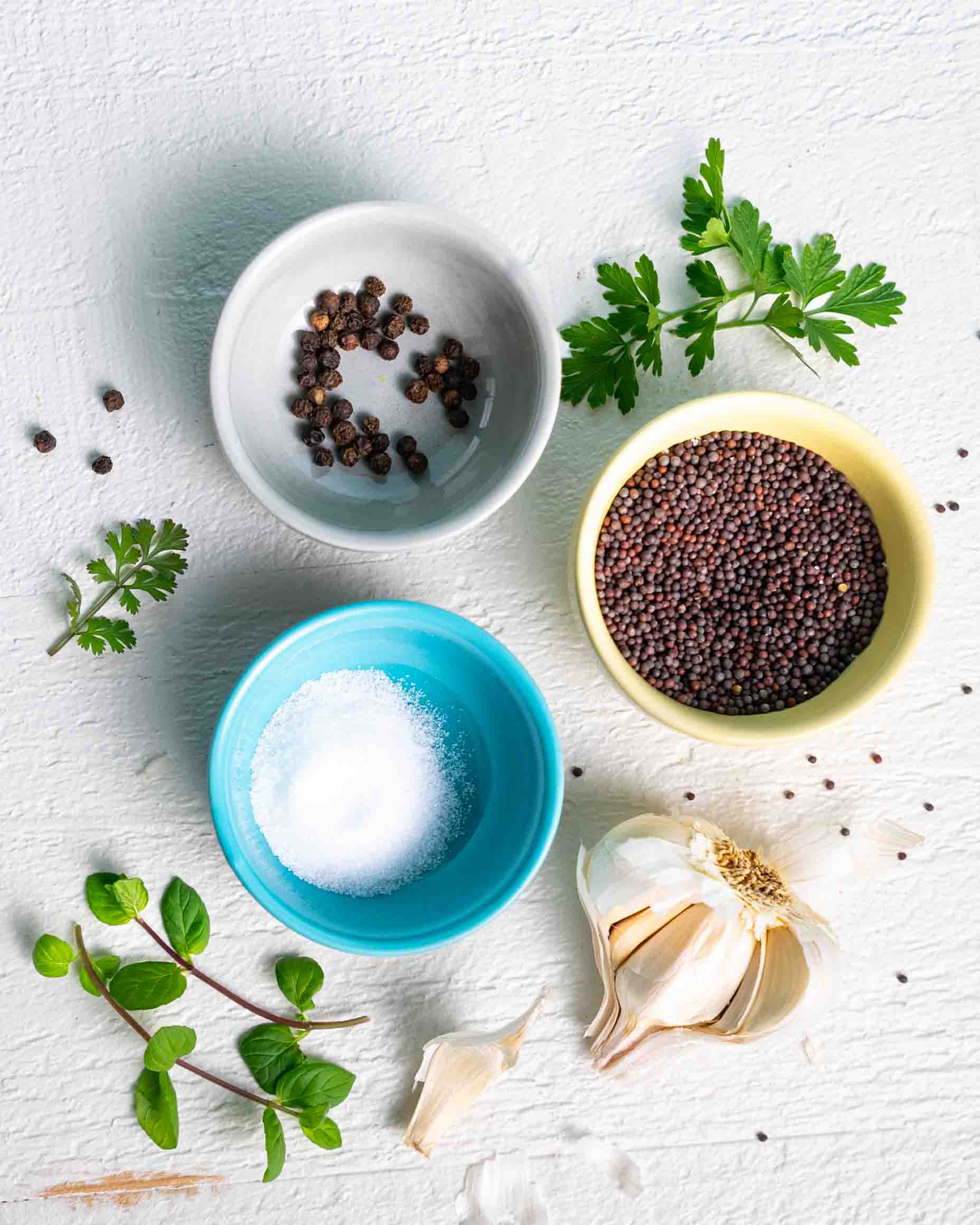
- non-iodized salt (sea salt, kosher salt, or pickling salt)
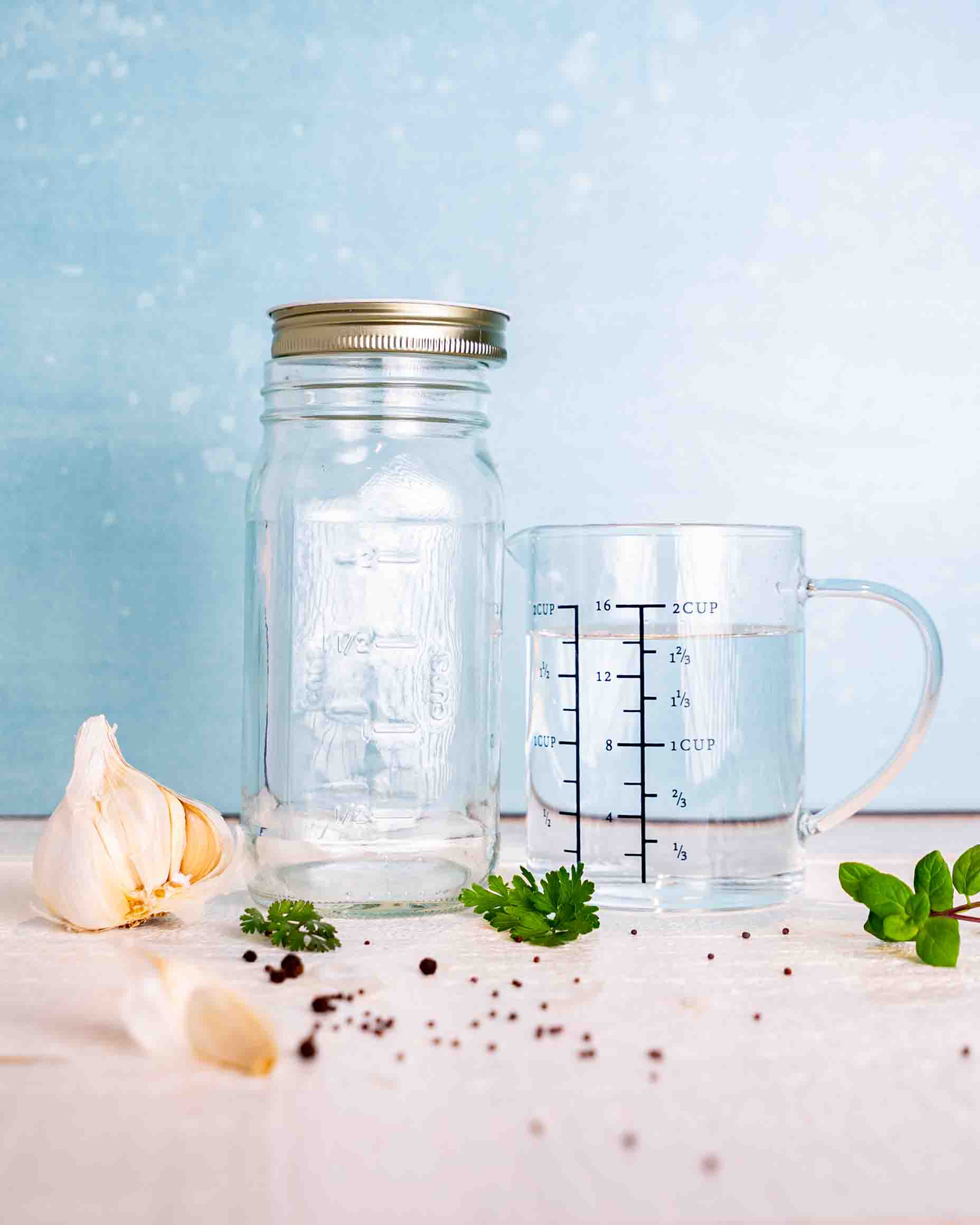
- clean, chlorine-free water (if making a brine)
Equipments:
Features:
20 minutes or less
Gluten-Free
Grain-Free
Soy-Free
Oil-Free
Refined Sugar-Free
Nut-Free
Nutrition:


.svg)
.svg)
Use non-iodized salt only — iodized salt can inhibit the fermentation bacteria you're trying to cultivate, leading to a ferment that never quite sours properly.
Instructions:
What You're Doing
Salt creates a safe brine that prevents bad bacteria and helps good bacteria turn your vegetables sour and delicious.
Salt Strength Guide:
- 2–2.5% salt = Mild, faster ferment
- 3–5% salt = Stronger, slower, crunchier (best for warm weather)
1. Prep Your Vegetables
- Wash thoroughly (no soap)
- Remove any damaged spots
- Cut as desired:
- Shred for sauerkraut
- Slice for quick ferments
- Keep whole for pickles
2. Weigh Everything
- Place empty bowl on scale and zero it out
- Add all vegetables
- Add any water you're using
- Write down the total weight
Example: 900g vegetables + 300g water = 1,200g total
3. Calculate Your Salt
Multiply total weight by your chosen percentage:
- 2% salt: 1,200 g × 0.02 = 24 g salt
- 3% salt: 1,200 g × 0.03 = 36 g salt ← recommended
- 5% salt: 1,200 g × 0.05 = 60 g salt
4. Mix in the Salt
- Sprinkle measured salt over vegetables
- Mix thoroughly with clean hands
For shredded vegetables: Massage 2–5 minutes until liquid releases
For whole vegetables: Dissolve salt in the water to make brine
5. Pack Your Jar
- Transfer everything into jar
- Press down firmly to remove air bubbles
- Make sure vegetables are completely covered in liquid
- Leave 1 inch of space at the top
6. Keep It Submerged
- Place a weight on top to hold vegetables under brine
- Cover with airlock lid (best) or regular lid loosened slightly
7. Ferment & Wait
- Keep at room temperature (65–72°F)
- Away from direct sunlight
Timeline:
- Days 1–3: Bubbles appear
- Days 5–7: Taste it! Should be tangy
- Weeks 2–4: Gets more sour
Taste after 5–7 days and keep going until you like the flavor.
8. Refrigerate
When it tastes right:
- Remove weight
- Seal jar tightly
- Store in fridge (lasts for months)
Safety Check
✅ Good Signs
- Vegetables stay under brine
- Sour, clean smell
- Cloudy brine is normal
- White film on top (kahm yeast) is harmless—just skim it off
❌ Bad Signs - Throw It Out
- Fuzzy or colorful mold
- Rotten smell
- Slimy texture
Quick Reference
Simple Formula:
- Weigh vegetables + water
- Multiply by 0.03 (for 3% salt)
- Add that amount of salt
- Submerge and ferment 5–14 days
- Refrigerate when tasty
First time? Start with shredded cabbage at 2.5% salt for easy sauerkraut!
Notes: Use a digital scale for accurate salt ratios — the percentage method works for any amount of vegetables. 2–2.5% salt: mild, faster ferment. 3–5% salt: stronger, slower, crunchier — best in warm weather. Cloudy brine is completely normal and a sign of healthy fermentation. White film on top (kahm yeast) is harmless — skim it off. Fuzzy, colored mold means discard.
When It's Ready: Vegetables should be submerged, smell tangy and clean, and taste pleasantly sour. Taste from day 5–7 and continue until you like the flavor.
Storage: Once refrigerated, fermented vegetables keep for several months. The salt acts as a preservative.
Tips: First time? Start with shredded cabbage at 2.5% salt for easy sauerkraut. Use filtered or boiled and cooled water — chlorine in tap water can slow fermentation.
A few ingredients do most of the work in this recipe. The non-iodized salt sharpens and balances every other flavor in the dish.
How to Ferment Anything
Ingredients:
- any fresh vegetable or firm fruit, washed
- non-iodized salt (sea salt, kosher salt, or pickling salt)
- clean, chlorine-free water (if making a brine)
Equipments:
Features:
Why These Ingredients:
A few ingredients do most of the work in this recipe. The non-iodized salt sharpens and balances every other flavor in the dish.
Prep:
Use non-iodized salt only — iodized salt can inhibit the fermentation bacteria you're trying to cultivate, leading to a ferment that never quite sours properly.
Instructions:
What You're Doing
Salt creates a safe brine that prevents bad bacteria and helps good bacteria turn your vegetables sour and delicious.
Salt Strength Guide:
- 2–2.5% salt = Mild, faster ferment
- 3–5% salt = Stronger, slower, crunchier (best for warm weather)
1. Prep Your Vegetables
- Wash thoroughly (no soap)
- Remove any damaged spots
- Cut as desired:
- Shred for sauerkraut
- Slice for quick ferments
- Keep whole for pickles
2. Weigh Everything
- Place empty bowl on scale and zero it out
- Add all vegetables
- Add any water you're using
- Write down the total weight
Example: 900g vegetables + 300g water = 1,200g total
3. Calculate Your Salt
Multiply total weight by your chosen percentage:
- 2% salt: 1,200 g × 0.02 = 24 g salt
- 3% salt: 1,200 g × 0.03 = 36 g salt ← recommended
- 5% salt: 1,200 g × 0.05 = 60 g salt
4. Mix in the Salt
- Sprinkle measured salt over vegetables
- Mix thoroughly with clean hands
For shredded vegetables: Massage 2–5 minutes until liquid releases
For whole vegetables: Dissolve salt in the water to make brine
5. Pack Your Jar
- Transfer everything into jar
- Press down firmly to remove air bubbles
- Make sure vegetables are completely covered in liquid
- Leave 1 inch of space at the top
6. Keep It Submerged
- Place a weight on top to hold vegetables under brine
- Cover with airlock lid (best) or regular lid loosened slightly
7. Ferment & Wait
- Keep at room temperature (65–72°F)
- Away from direct sunlight
Timeline:
- Days 1–3: Bubbles appear
- Days 5–7: Taste it! Should be tangy
- Weeks 2–4: Gets more sour
Taste after 5–7 days and keep going until you like the flavor.
8. Refrigerate
When it tastes right:
- Remove weight
- Seal jar tightly
- Store in fridge (lasts for months)
Safety Check
✅ Good Signs
- Vegetables stay under brine
- Sour, clean smell
- Cloudy brine is normal
- White film on top (kahm yeast) is harmless—just skim it off
❌ Bad Signs - Throw It Out
- Fuzzy or colorful mold
- Rotten smell
- Slimy texture
Quick Reference
Simple Formula:
- Weigh vegetables + water
- Multiply by 0.03 (for 3% salt)
- Add that amount of salt
- Submerge and ferment 5–14 days
- Refrigerate when tasty
First time? Start with shredded cabbage at 2.5% salt for easy sauerkraut!