





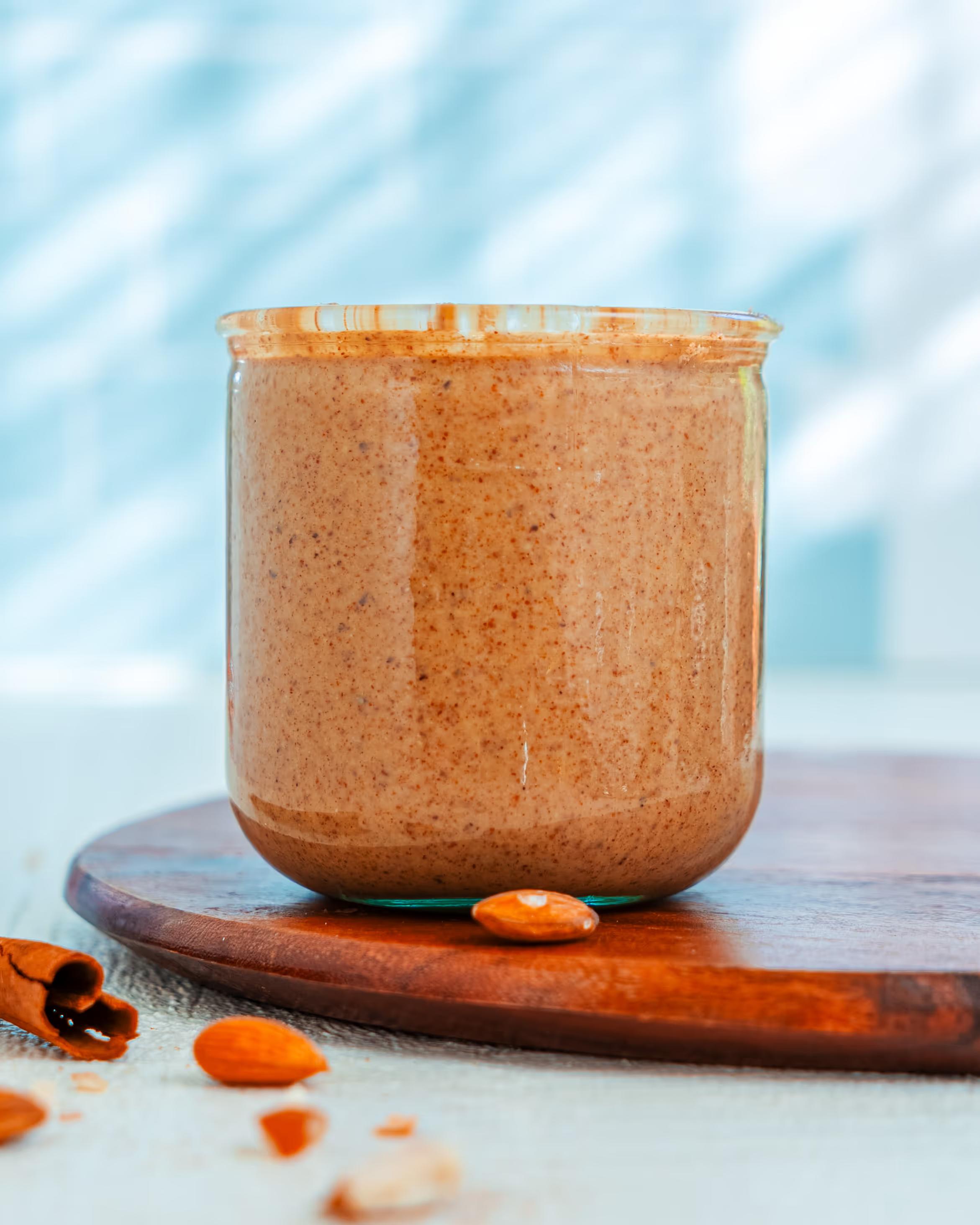

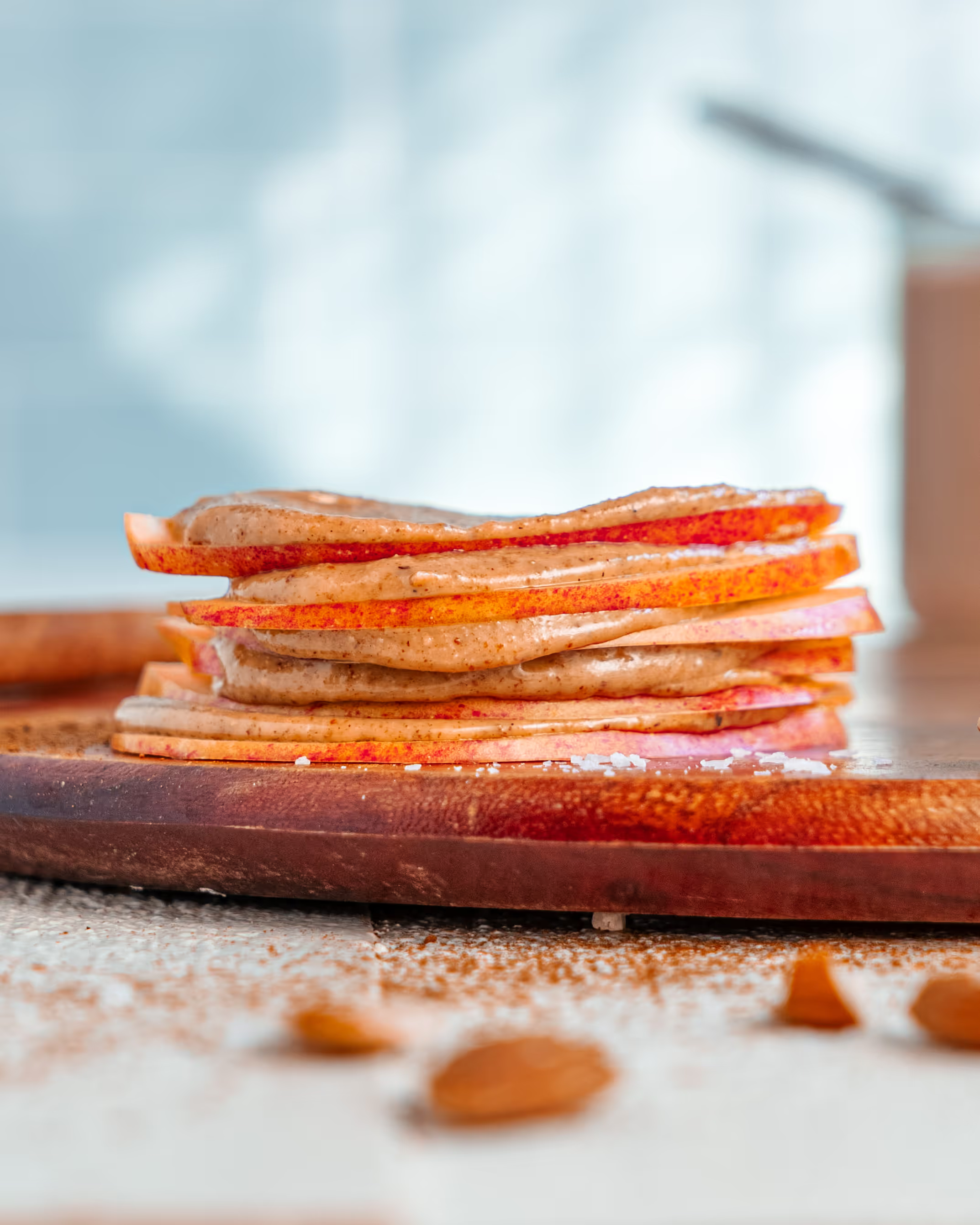


Almond Butter
Spreads
Nut and Seed Butters
Ingredients:
- 260 g (2 cups) raw almonds
- 15–30 ml (1–2 tbsp) neutral oil (avocado or almond oil), for a smoother texture
- pinch of salt
- 5 ml (1 tsp) vanilla extract
- 15 ml (1 tbsp) maple syrup
Equipments:
Features:
Gluten-Free
Raw
Grain-Free
Soy-Free
Refined Sugar-Free
Nutrition:
Servings 2 tbsp Calories 200 Carbohydrates 6 g Fat 18 g Fiber 3 g Protein 6 g
Monounsaturated 11 g Polyunsaturated 4 g Saturated 1.5 g Trans 0 g
Vitamin A 0 mcg Vitamin C 0 mg Vitamin D 0 mg
Calcium 90 mg Iron 1.3 mg Potassium 240 mg
Cholesterol 0 mg Sodium 95 mg Sugar 1.5 g Vitamin E 7 mg Magnesium 70 mg


.svg)
.svg)
Keep processing even through the chalky, clumpy stage — almonds take longer than most nuts to break down, and stopping early leaves the butter grainy instead of silky.
Instructions:
- Blend: Add 260 g (2 cups) raw almonds to a food processor. Process continuously, stopping to scrape down the sides every 1–2 minutes, for 10–15 minutes total until completely smooth and creamy. The almonds will go from flour to clumps to a thick paste to silky butter.
- Season: Add a pinch of salt and 1–2 tbsp neutral oil (optional) for a smoother texture. Blend for 30 more seconds.
- Store: Transfer to a clean glass jar. Keeps at room temperature for up to 2 weeks or refrigerated for up to 3 months.
Common Mistakes: Don’t stop blending too early — the almonds must go all the way from crumbs to paste to silky butter. Stopping at the clumping stage results in a gritty, thick spread rather than true butter. Any moisture in the almonds will cause the butter to seize — make sure they are completely dry.
Notes: Roasting the almonds first is strongly recommended — it releases the oils, shortens blending time significantly, and deepens the flavor. Roast at 175°C (350°F) for 10–12 minutes, let cool, then blend.
Oil Separation: The oil will separate and float to the top over time — this is completely normal. Stir before use. Refrigerating slows separation.
Other Nut Butters: The exact same method works for peanuts, cashews, and hazelnuts.
Salt: Add a tiny pinch even if making unsalted butter — it makes a noticeable difference to the overall flavor.
Storage: Store in an airtight glass jar at room temperature for up to 2 weeks, or refrigerate for up to 3 months.
Raw almonds are the only required ingredient. Raw almonds take longer to blend than roasted but produce a fresher, lighter-colored butter. Roasted almonds (unsalted) blend faster and produce a deeper, nuttier flavor — either works perfectly.
Neutral oil (optional) speeds up the blending process and produces a silkier, more pourable butter. Almond oil reinforces the flavor; avocado oil is neutral. Never add water — it will cause the butter to seize into a stiff, grainy paste.
Salt (optional) amplifies all the other flavors. Even a tiny pinch added at the end elevates the overall taste significantly. Use fine sea salt rather than coarse for even distribution.
Vanilla extract (optional) adds warmth and a subtle sweetness that makes the butter taste like a premium artisan product.
Maple syrup (optional) adds natural sweetness without refined sugar. Add in small amounts — too much liquid can cause the texture to tighten slightly.
Almond Butter
Ingredients:
- 260 g (2 cups) raw almonds
- 15–30 ml (1–2 tbsp) neutral oil (avocado or almond oil), for a smoother texture
- pinch of salt
- 5 ml (1 tsp) vanilla extract
- 15 ml (1 tbsp) maple syrup
Equipments:
Features:
Why These Ingredients:
Raw almonds are the only required ingredient. Raw almonds take longer to blend than roasted but produce a fresher, lighter-colored butter. Roasted almonds (unsalted) blend faster and produce a deeper, nuttier flavor — either works perfectly.
Neutral oil (optional) speeds up the blending process and produces a silkier, more pourable butter. Almond oil reinforces the flavor; avocado oil is neutral. Never add water — it will cause the butter to seize into a stiff, grainy paste.
Salt (optional) amplifies all the other flavors. Even a tiny pinch added at the end elevates the overall taste significantly. Use fine sea salt rather than coarse for even distribution.
Vanilla extract (optional) adds warmth and a subtle sweetness that makes the butter taste like a premium artisan product.
Maple syrup (optional) adds natural sweetness without refined sugar. Add in small amounts — too much liquid can cause the texture to tighten slightly.
Prep:
Keep processing even through the chalky, clumpy stage — almonds take longer than most nuts to break down, and stopping early leaves the butter grainy instead of silky.
Instructions:
- Blend: Add 260 g (2 cups) raw almonds to a food processor. Process continuously, stopping to scrape down the sides every 1–2 minutes, for 10–15 minutes total until completely smooth and creamy. The almonds will go from flour to clumps to a thick paste to silky butter.
- Season: Add a pinch of salt and 1–2 tbsp neutral oil (optional) for a smoother texture. Blend for 30 more seconds.
- Store: Transfer to a clean glass jar. Keeps at room temperature for up to 2 weeks or refrigerated for up to 3 months.